
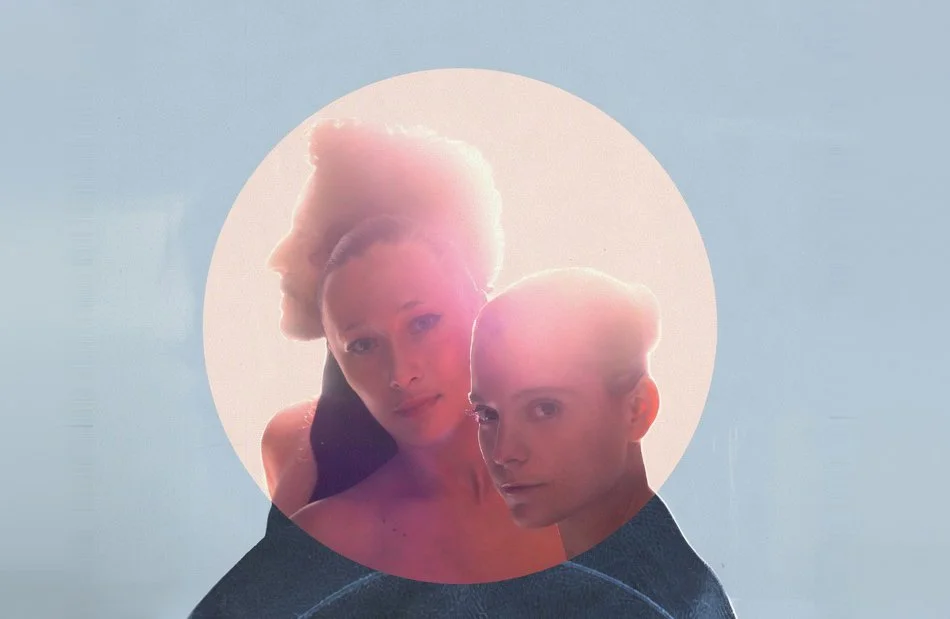
[ About ]Founded in 2005 as an evolution of As Four—the design collective established in 1998 by Asfour, Donhauser, Gil, and Kai Kühne—threeASFOUR’s work has earned them a devoted cult following, a Cooper Hewitt National Design Award, global museum exhibitions, and fans like Björk and Chloë Sevigny. Yet behind the acclaim lies an ongoing challenge to exist in an industry that prioritizes commerce over creativity.
Filmed over five years with unguarded intimacy, first-time feature documentary director Sean Ono Lennon, co-director Brian C. González, and writer/editor Jenny Golden’s partnership mirrors the creative collectivism they capture in front of the camera. The filmmakers bring a fly-on-the-wall honesty, crafting a raw, emotional portrait of three iconoclasts daring to center artistry and collaboration over money and profit.





Upcoming Screenings
-
Film Forum
Opens Friday, November 13
New, York, NY
Friday, November 13 7pm
Q&A moderated by Rosanna Arquette with Sean Ono Lennon & threeASFOURSaturday, November 14 7pm
Q&A moderated by Marisa Tomei with Sean Ono Lennon & threeASFOURSunday, November 15 2:30pm
Q&A moderated by Mike Maggiore with Sean Ono Lennon & threeASFOUR
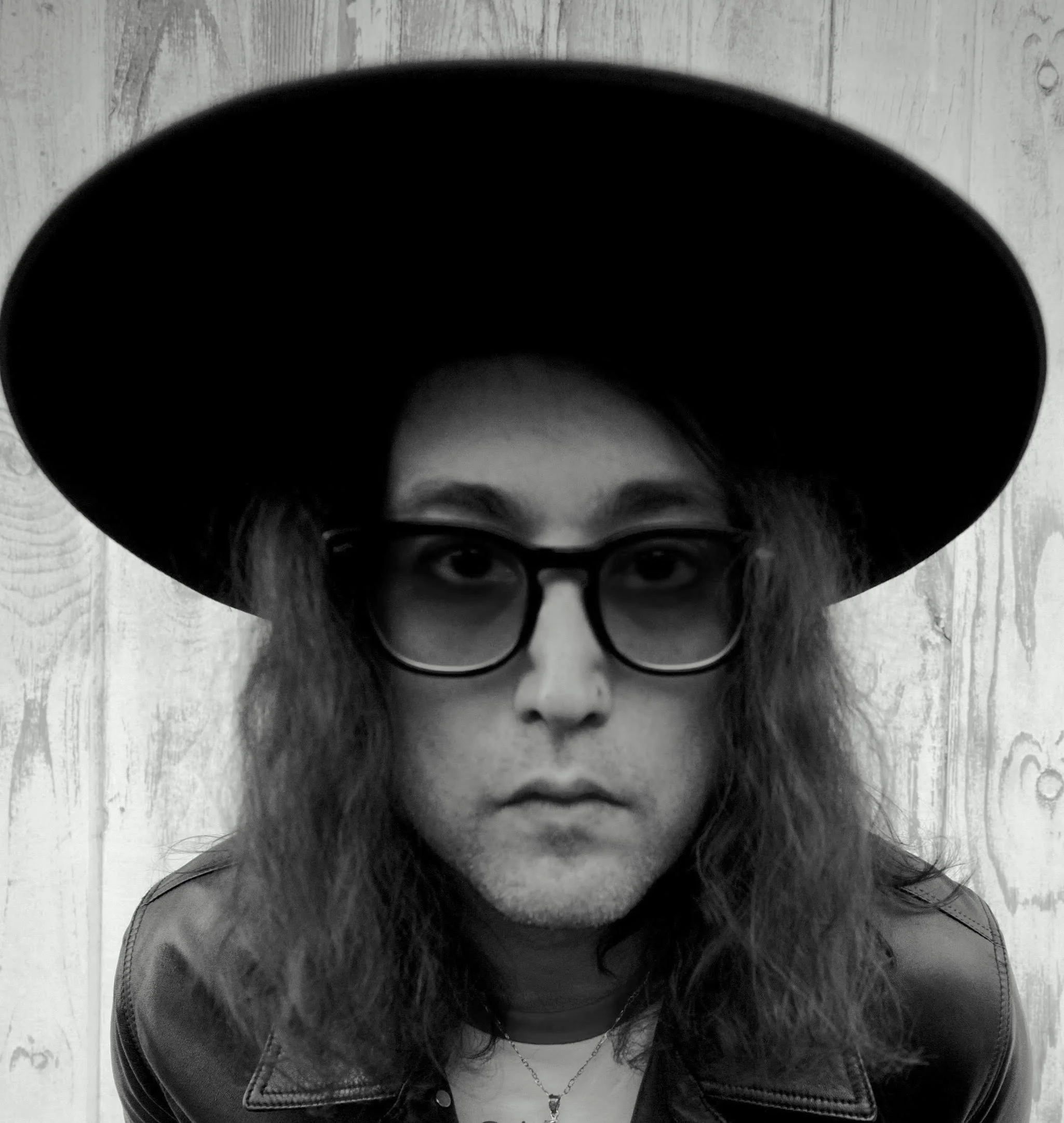
[ Directed by ]Sean Ono Lennon
When I first met threeASFOUR, I was immediately drawn to the originality of their work and the philosophy driving it. Gabi Asfour, Angela Donhauser, and Adi Gil approach fashion as a means of connection—between cultures, disciplines, and people. Their designs are rooted in a belief that art can dissolve boundaries rather than reinforce them, and that beauty can be a unifying force in a fractured world. In an industry driven by trends, and market demands, their commitment to ideas, experimentation, and meaning over commercial viability felt radical. Watching them work was deeply inspiring.
As I spent more time with them, I became increasingly aware of how difficult that commitment is to sustain. The fashion industry places enormous pressure on designers to compromise—to produce more, faster, and in ways that fit neatly into a commercial framework. Yet threeASFOUR consistently resisted those demands, even when it came at great personal and financial cost. I began filming because I wanted to understand how artists like them survive—how they protect a vision grounded in principle in a system that often rewards the opposite.
Like many artists, I know what it means to navigate the pressures of a commercial industry while trying to remain faithful to a vision that does not necessarily align with the mainstream. Over time, I understood that this film was not only about threeASFOUR, but about a broader, shared tension: how do we sustain ourselves—emotionally, spiritually, and materially—while making work that resists easy commodification? What does it mean to hold onto an uncompromising vision in a world that measures value in profit? Can the true worth of art ever be quantified in money? I don’t believe it can.
My approach to this film was deeply influenced by the work of the Maysles brothers, whose films shaped my understanding of documentary as an act of empathy. Albert Maysles once told me that the key to documentary filmmaking was to look through the camera without judgment—to approach one’s subjects with openness and respect, and to trust the audience to draw their own conclusions. My collaborators on this film – Co-Director Brian C. González, Editor Jenny Golden, and Producer Beth Levison– and I wanted the filmmaking to be transparent, leaving room for the artists to speak for themselves and inviting the audience into a more direct, shared experience with them.
At its surface, the story of threeASFOUR is about art versus commerce, friendship versus business, beauty versus utility. But at its core, their work is about connection—about imagining a world in which creativity can bring people together rather than pull them apart. Their designs carry a message about interdependence, shared humanity, and our relationship to one another and to the Universe. This film is my attempt to listen to that message, and to help amplify it.
I couldn’t be more proud to help bring their story to the world.
[ Photo Charlotte Kemp Muhl ]